Master Weeknight Dinners With Easy One Pot Meals
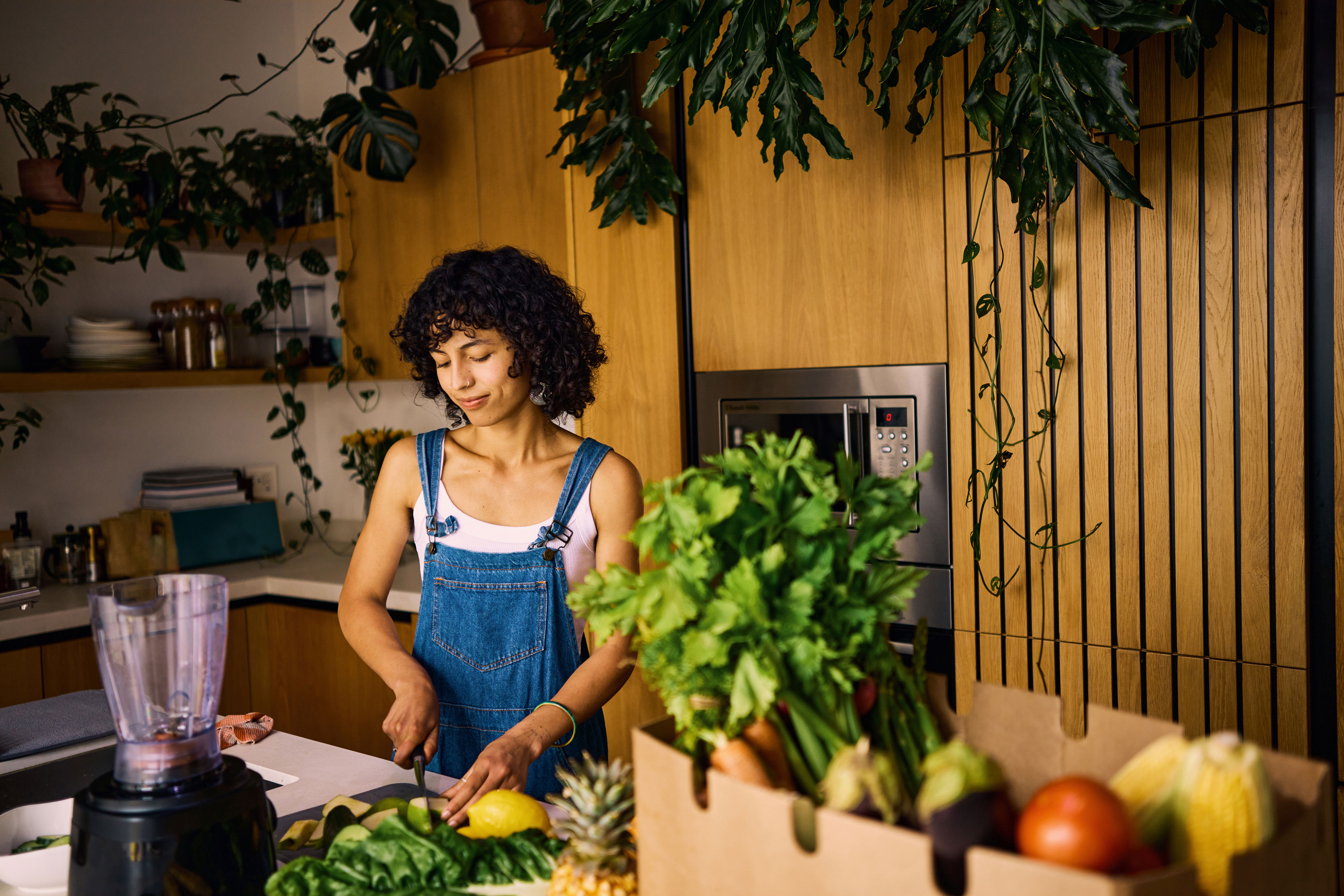

Balancing a demanding career with the desire for a nutritious, home-cooked meal often feels like an impossible daily negotiation. By the time you wrap up your workday, the thought of managing multiple pans, timing complex side dishes, and facing a mountain of washing up can push takeout delivery to the top of your list. Yet, culinary efficiency does not require sacrificing nutritional quality or culinary satisfaction. Professional kitchens and busy households alike are embracing a streamlined approach to evening dining that reduces labour without compromising flavour.
Mastering culinary efficiency relies on understanding how to leverage one pot meals for busy weeknights. This strategy transforms the kitchen dynamic by consolidating cooking processes into a single vessel, whether that is a Dutch oven, a heavy-bottomed skillet, or a multi-cooker. By simplifying your equipment footprint, you drastically reduce both active cooking time and post-meal clean up. Adopting this method is not merely about taking shortcuts. It is an intentional practice in culinary optimization that allows you to execute easy home cooking with professional-grade results.
The Culinary Science Behind Single-Vessel Cooking
To execute successful single-vessel cooking, you must first understand how flavours build and interact within a confined space. Unlike traditional multi-pan cooking where components are prepared in isolation, the one pot method encourages ingredient synergy. As starches, proteins, and aromatics cook together, they release their starches and juices directly into the surrounding liquid. This process naturally creates rich, emulsified sauces without the need for separate roux or complex reduction steps.
Consider the fundamental building blocks of flavour development. Sautéing aromatics like onions, garlic, and celery forms the flavour base, known in professional culinary terms as a mirepoix or sofrito. When you deglaze the pan with stock, wine, or tomatoes, those caramelized bits lift off the bottom, infusing the entire dish with depth. This technique, mastered by professional chefs, is naturally inherent to single-vessel preparation.
Essential Equipment for Streamlined Preparation
Having the right hardware is critical for executing these recipes seamlessly. You do not need an arsenal of specialized gadgets, but investing in a few high-quality, versatile pieces will elevate your results.
- Enamelled Cast Iron Dutch Oven: Excellent for heat retention and steady simmering, transitioning effortlessly from stovetop to oven.
- Heavy-Duty Stainless Steel Skillet: Ideal for searing proteins and rapidly evaporating excess liquids when necessary.
- Multi-Purpose Sauté Pan: Features high, straight sides that prevent spills while offering a wide surface area for browning.
Strategic Flavour Building and Timing
The primary challenge in single-vessel cooking is ingredient timing. Because everything cooks together, different components must be added at specific intervals to prevent overcooking. Delicate vegetables like spinach or peas require minimal heat and should be stirred in just moments before serving. Root vegetables, conversely, need substantial time to soften and absorb surrounding flavours.
Staggering your additions ensures that every element retains its optimal texture. Searing proteins first builds the initial flavour foundation, followed by aromatics and liquids. Starches like rice, pasta, or grains often go in next, absorbing the flavoured broth as they cook to al dente perfection.
Maximizing Nutritional Value and Simplicity
Simplifying your evening routine should never mean compromising on nutritional integrity. Single-vessel recipes naturally lend themselves to incorporating abundant fiber, lean proteins, and vibrant vegetables into a single serving. Because all cooking liquids and released nutrients remain in the pot, vitamins and minerals that might otherwise be discarded down the drain are retained in the final sauce or broth.
- Layer dense root vegetables near the bottom of the pot where heat is most concentrated.
- Utilize residual heat by turning off the burner a few minutes early, letting the dish finish via gentle steam retention.
- Balance heavy starches with fresh herbs and acid, such as a squeeze of lemon juice, right before plating.
Frequently Asked Questions
How do I prevent pasta from sticking to the bottom of the pot during cooking?
Stir the pasta frequently during the first few minutes of simmering, and ensure you have the correct ratio of liquid to starch as specified in your recipe.
Can I convert my favourite traditional recipes into a single-vessel format?
Yes, by evaluating cooking times and adjusting liquid levels so starches can absorb moisture properly without burning on the bottom of the pan.
What is the best way to clean heavy-bottomed Dutch ovens after cooking sticky sauces?
Deglaze the warm pot with a little water or vinegar to loosen stuck particles, then scrub gently with a non-abrasive sponge and mild dish soap.
Mastering the art of single-vessel preparation fundamentally shifts your relationship with evening meal preparation. By combining strategic ingredient timing with high-quality equipment, you reclaim valuable time without sacrificing culinary excellence. Implement these techniques this week, and experience how streamlined cooking elevates both your weeknight routine and your culinary confidence.


Comments